
Enhance Your Photography with Permanent Laser Hair Removal
For photographers, preparing models and clients to look their best often involves more than just lighting and camera settings. Permanent laser hair removal offers a reliable, long-term solution to unwanted hair, helping subjects feel confident and camera-ready without the hassle of last-minute grooming. Whether for portrait, fashion, or commercial shoots, reducing the need for frequent shaving and waxing can save time and avoid skin irritation like razor bumps or ingrown hairs, which can show up prominently in high-definition images.
If you’re interested in how laser hair removal can fit into a photography workflow or personal prep routine, a detailed overview is available at Permanent Laser Hair Removal With Clear Next Steps. This resource covers everything from treatment mechanics to candidate suitability, helping photographers and subjects understand the benefits of this approach.
Laser hair removal targets hair follicles during their active growth phase, using precise light energy to significantly reduce hair growth over time. This process is ideal for areas commonly photographed, such as the face, arms, legs, underarms, and bikini line, ensuring subjects can maintain smooth skin with minimal interruption to their schedules.
How Laser Hair Removal Improves Photography Sessions
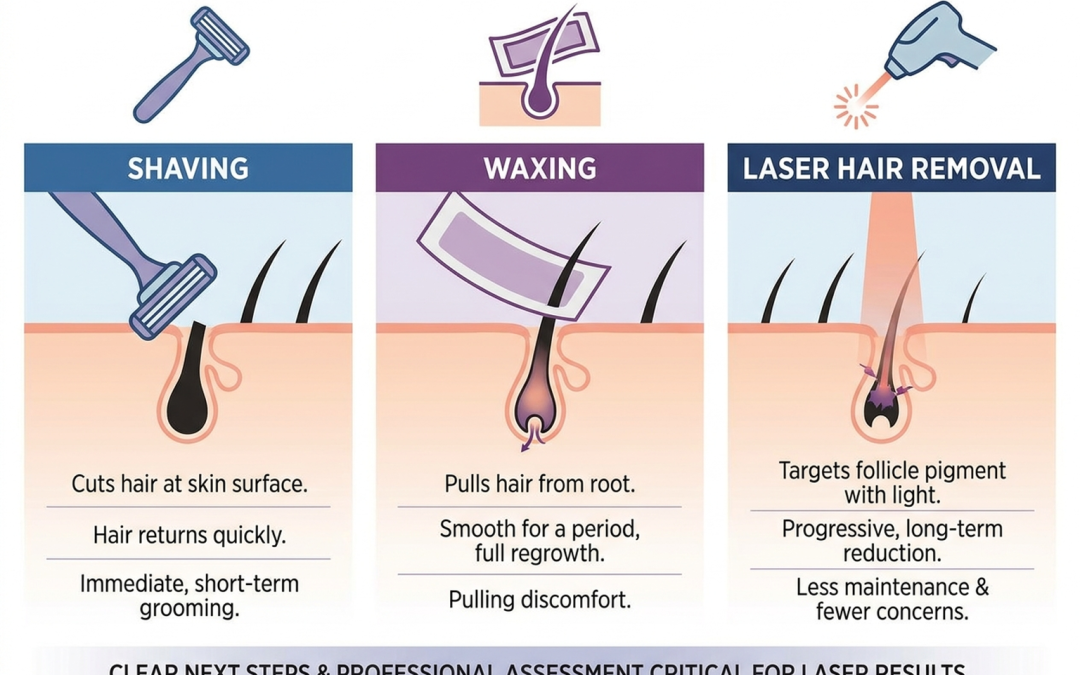
The technique involves directing laser energy into the pigment of hair shafts, which travels down to the follicle to inhibit future hair development. For photographers, this means fewer concerns about stubble or stray hairs appearing between sessions or during long shoots, especially under studio lighting where details are magnified.
It’s important to note that “permanent” laser hair removal means long-term hair reduction rather than complete eradication. Different hair textures and colors respond variably, with coarse, dark hair showing the best results. Modern laser systems like the Soprano Ice accommodate a variety of skin tones and hair types, broadening the range of potential clients and models who can benefit.
Photographers working with a diverse set of subjects will appreciate the flexibility and inclusivity of contemporary laser treatments, ensuring everyone can achieve smooth skin that photographs well. More technical details and preparatory tips are available on the clinic’s Laser Hair Removal service page.
Comfort and Efficiency with the Soprano Ice Laser System
Model comfort is crucial during photo shoots, and preparation sessions with laser hair removal benefit from advances designed to minimize pain and irritation. The Soprano Ice system integrates contact cooling with gradual energy delivery, making the experience more tolerable compared to older, more painful techniques.
- Cooling technology: Continuous skin cooling during the procedure reduces discomfort, especially in sensitive areas often exposed in photos like the face and bikini line.
- Adaptable to skin tone: After a careful assessment, settings are customized to protect skin while effectively targeting hair follicles across a range of complexions.
- Flexible coverage: Sessions can be tailored to small areas such as the upper lip or large zones like full legs or back, which aligns with different photographic needs and schedules.
- Low discomfort levels: Many clients report a sensation akin to warmth or a light snap instead of sharp pain, maintaining ease before and after shoots.
Proper screening remains essential to ensure safety, especially for clients with recent tanning, skin sensitivities, or specific medical conditions.
Ideal Candidates for Laser Hair Removal in the Photography World
Individuals who require consistent grooming for photography sessions often find laser hair removal to be a practical investment. Whether you’re a model, actor, or photographer seeking smoother skin on yourself or your subjects, laser hair removal reduces the need for daily maintenance and skin irritation caused by shaving or waxing.
Special considerations include clients with hormone-related hair growth such as PCOS, where ongoing treatment may be necessary to manage results effectively. Men seeking laser hair removal can target common photo-focused areas like back, chest, shoulders, and beard lines, with plans personalized to their thicker, coarser hair.
For details specific to male clients, explore the clinic’s Laser Hair Removal for Men service page.
Selecting a Reliable Clinic for Laser Hair Removal
Photographers and their clients should choose clinics that emphasize thorough assessments over generic packages. A quality provider considers each person’s skin tone, hair type, hair density, medical history, and recent sun exposure before crafting a treatment plan. Realistic outcome expectations and safety protocols are integral to a satisfying experience.
Ask prospective clinics about:
- Technology and settings: What laser system is used and how is it calibrated for individual needs?
- Comfort measures: How sensitive areas are managed during treatment?
- Treatment outcomes: Are sessions fixed or adjusted based on progress?
- Touch-up policies: Are touch-ups included or extra?
- Preparation and aftercare guidance: What protocols should be followed before and after appointments?
Preparing for Your First Laser Hair Removal Session
Prior to treatment, a consultation assesses skin and hair, discusses medical history, and sets expectations. At Royal Laser and Skincare Clinic, this initial session is included with the consultation so you can experience the process firsthand before committing.
Clients should shave the treatment area beforehand, as this removes hair above the skin without disturbing follicles, optimizing laser effectiveness. Avoid tanning and certain skincare products to reduce sensitivity and maximize safety.
During treatment, protective eyewear is worn and the laser handpiece glides over the skin. Post-session, minor redness or warmth may appear, manageable with cooling and sunscreen. Specific aftercare advice will be provided to ensure the best results.
Comparing Hair Removal Methods Through a Photography Lens
Understanding hair removal options helps photographers and their clients choose what best fits their schedule and skin health.
| Method | How it Works | Result Duration | Ideal For |
|---|---|---|---|
| Shaving | Trims hair at skin surface | Hair grows back quickly | Quick fixes and between laser sessions |
| Waxing | Removes hair from the root | Smooth for weeks but regrows fully | Those comfortable with temporary hair-free intervals |
| Laser Hair Removal | Targets hair pigment to disable follicles | Long-term hair reduction | People wanting less frequent grooming and smoother skin long-term |
Waxing and plucking are usually paused during laser treatment to ensure the laser targets intact follicles. Shaving is preferred between appointments.
Special Considerations for Sensitive and Full-Body Treatments
Photography often requires attention to large or delicate areas. Brazilian and full-body laser hair removal require extra care to maintain hygiene, comfort, and privacy. Transparent communication about treatment areas and expectations ensures a smooth experience.
Plans should be customized, focusing on the specific hair patterns of the client rather than pre-packaged bundles. Royal Laser and Skincare Clinic offers tailored payment options and lifetime touch-ups after achieving desired results, valuing outcome over package sales.
Safe Treatment Across Skin Tones and Sensitive Zones
With advanced technology, laser hair removal is safely performed on darker skin tones when settings and assessments are precise. Protecting skin pigment while effectively targeting hair follicles is critical to avoid complications like pigmentation changes.
Areas such as the face, bikini line, underarms, and neck are more sensitive and require gentle settings and cooling to minimize discomfort.
Be honest about recent sun exposure, skincare products, and medical history for optimal safe treatment.
Developing a Photography-Friendly Hair Removal Plan
Effective laser hair removal plans account for natural hair growth cycles and ongoing treatment responses:
- Comprehensive assessment: Evaluate skin tone, hair characteristics, and medical background.
- Proper preparation: Follow shaving and sun exposure guidelines before sessions.
- Timely scheduling: Space appointments according to specific growth cycles.
- Monitor skin and hair changes: Communicate any reactions or lifestyle changes between sessions.
- Regular progress reviews: Adjust treatments and plan touch-ups to maintain smooth skin for photography readiness.
Frequently Asked Questions for Photographers and Models
Results vary based on body area, hair type, skin tone, and hair growth cycles. Consultation can provide a tailored expectation rather than a fixed session count.
Most describe sensations as warm or snapping with cooling reducing discomfort. Sensitivity varies by area and individual.
Yes, shaving is recommended over waxing or plucking to preserve follicles for laser targeting.
Such hair types respond less due to lower pigment; an assessment can determine suitability.
Hormonal factors like PCOS may require touch-ups due to new hair growth in treated areas.
Next Steps: Streamlining Grooming for Photography Success
Incorporating permanent laser hair removal into your preparation routine can save time and enhance skin appearance for photography. Booking a consultation ensures personalized advice aligned with your goals, skin, and hair characteristics.
Royal Laser and Skincare Clinic, family-owned since 2010, is trusted for delivering results-focused laser treatments using FDA-approved Soprano Ice technology, including lifetime touch-ups after completion.
Ready to get camera-ready?
Schedule a complimentary consultation and first session to discuss your needs, evaluate your skin and hair, and craft a customized plan.
📩 Book your free consultation today
Have questions? Call 905-237-3242 or email [email protected].
Recent Comments